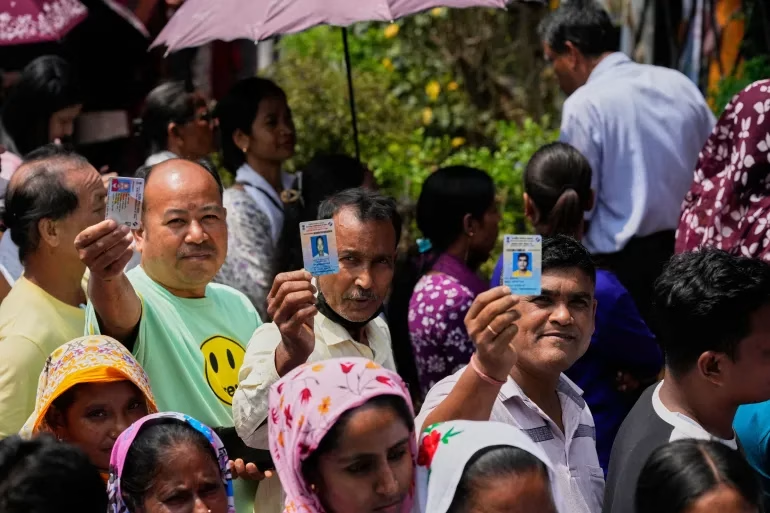
Elections are one of the most important features of a democratic society. They allow citizens to choose representatives and influence the direction of government. While an election may appear to be a single event that takes place on a particular day, its effects can continue for years. Decisions made by elected governments can influence the economy, education, healthcare, infrastructure, foreign relations, employment, and many other aspects of everyday life.
Elections Give Citizens a Voice
One of the primary purposes of elections is to give citizens a role in choosing their representatives. In a democracy, people may have different opinions about taxation, public services, economic development, national security, education, and social policies.
Through elections, citizens can support candidates or parties whose priorities are closer to their own views. This creates a connection between public opinion and government leadership.
Elections also provide an opportunity for voters to evaluate existing leadership. If citizens believe a government has performed poorly, they can support alternative candidates or parties.
Elections Influence Government Policies
The people elected to office generally have significant influence over government priorities. Once a new administration takes power, it may introduce policies that affect businesses, workers, families, students, and communities.
For example, governments may make decisions concerning infrastructure investment, taxation, environmental regulations, education programs, healthcare systems, or economic development.
These policies can have both immediate and long-term consequences. A decision made today may influence government finances, employment opportunities, or public services for many years.
Economic Direction Can Change
Elections can influence a country’s economic direction. Different political parties may have different approaches to taxation, government spending, business regulation, trade, employment, and investment.
Businesses and investors often pay attention to elections because changes in government policy can affect economic conditions. Greater policy stability may encourage long-term investment, while uncertainty surrounding major political changes can influence business decisions.
However, elections are not the only factor determining economic performance. Global markets, technological developments, natural events, international trade, interest rates, and other circumstances also play important roles.
Elections Affect Social Priorities
Political leadership can influence which social issues receive greater attention. Governments may prioritize education, healthcare, housing, poverty reduction, public transportation, environmental protection, or other areas based on their election commitments.
Elections therefore help determine which issues receive government resources and legislative attention.
Public discussion during election campaigns can also bring previously overlooked issues into the national conversation. Candidates may highlight concerns raised by different communities, encouraging broader discussions about the country’s future.
Leadership Changes Can Affect Foreign Relations
A country’s elected leadership can influence its relationship with other nations. Governments make decisions about international cooperation, trade agreements, diplomatic relationships, security partnerships, and global organizations.
A change in political leadership may therefore result in changes to foreign policy priorities.
Strong international relationships can contribute to trade, investment, security cooperation, cultural exchange, and diplomatic stability. Elections can play a role in determining the people responsible for managing those relationships.
Elections Shape Long-Term Development
Some of the most important effects of elections are visible only after several years. Governments make investments in roads, transportation networks, schools, hospitals, digital infrastructure, energy systems, and other public facilities.
Long-term development also depends on decisions about education and workforce development. A government that invests in skills and innovation may help prepare the country for future economic challenges.
Because infrastructure and institutional decisions can remain in place for decades, election outcomes may influence generations beyond the voters who participated in the election.
Young Voters Can Influence the Future
Young people represent an important part of the electorate and will live with the consequences of today’s political decisions for many years.
Issues such as employment, education costs, technology, climate change, housing, and economic opportunity can be especially important to younger voters.
When young citizens participate in elections and understand political issues, they can contribute to shaping policies that reflect their concerns and expectations for the future.
The Importance of Informed Voting
Elections can only effectively represent public preferences when voters have reliable information. Campaign speeches, advertisements, social media posts, news reports, and online discussions can provide useful information, but they can also contain misleading or incomplete claims.
Voters can make more informed decisions by examining candidates’ policies, understanding their records, comparing proposals, and checking important claims against credible sources.
Looking beyond slogans and emotionally charged messages can help citizens evaluate political choices more carefully.
Elections Strengthen Accountability
Elections also create an important system of accountability. Elected officials know that their performance may be evaluated by voters during future elections.
This can encourage governments to respond to public concerns and fulfill campaign commitments.
Accountability does not end between elections. Citizens can also participate in public discussions, contact representatives, engage with community organizations, and follow government decisions.
Final Thoughts
Elections shape a country’s future by influencing who governs, which policies receive priority, how public resources are used, and what direction the nation takes domestically and internationally.
No election can solve every challenge, and political outcomes are influenced by many factors beyond voting. Nevertheless, elections remain an important mechanism through which citizens can participate in determining their country’s future.
An informed and engaged electorate can help strengthen democratic institutions and encourage responsible leadership. Ultimately, the impact of elections extends far beyond election day because the decisions made by elected representatives can influence communities, economies, and future generations.